HydraFacial vs Chemical Peel: Finding the Right Solution for Your Skin
July 20, 2026
How Can You Get Rid of Back Acne? Causes, Treatments & Prevention
August 17, 2026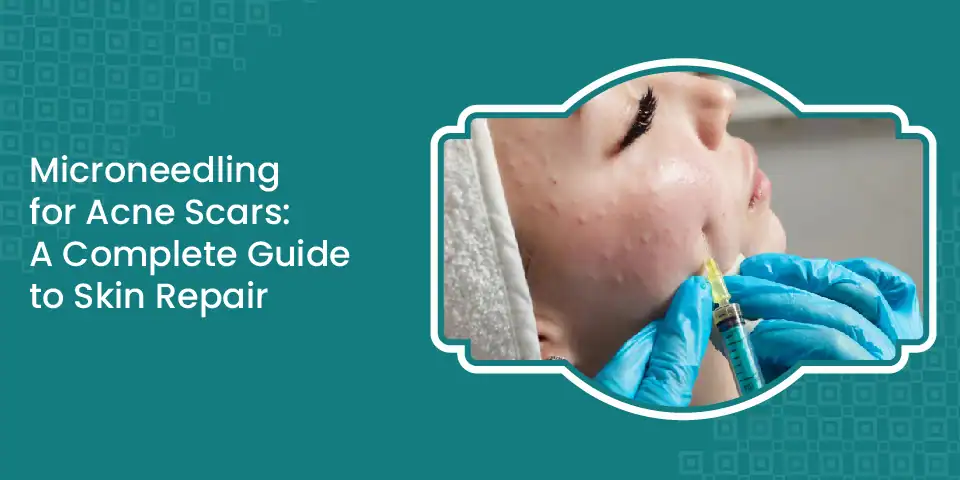
Acne scars often remain on the skin long after active breakouts have healed, affecting both texture and confidence. These marks can vary in depth and severity, making them difficult to treat with topical solutions alone. Microneedling is a minimally invasive dermatological procedure that has gained popularity for improving the appearance of acne scars by stimulating the skin’s natural repair process. It works by encouraging collagen production, which helps gradually smoothen uneven skin.
Understanding how microneedling works, its benefits, and expected outcomes can help you decide whether it is the right treatment option for your skin concerns.
A] What Makes Microneedling Effective for Acne Scars?
Microneedling is a collagen-induction therapy that works by creating controlled micro-injuries in the skin. These tiny punctures activate the body’s natural healing response, which plays a key role in skin repair and acne scar treatment.
The treatment is effective because of how the skin responds to controlled damage:
- Collagen stimulation: Boosts new collagen production, which helps improve scar depth and skin strength.
- Elastin renewal: Supports skin elasticity, making the surface smoother over time.
- Natural healing process: Encourages gradual remodelling of damaged scar tissue.
- Targeted repair: Focuses on improving uneven texture caused by acne scars.
Because of this regenerative process, microneedling is commonly recommended for mild to moderate acne scarring. It helps the skin rebuild itself gradually, leading to a more even and refined appearance with consistent sessions.
B] How Does Microneedling Work on Acne Scars?
Microneedling is performed in a clinical setting after a proper skin assessment. The procedure follows a structured approach designed to ensure safety and effectiveness.
- Skin preparation: The skin is cleansed, and a numbing cream is applied to reduce discomfort.
- Device application: A microneedling device with fine needles is gently moved across the skin.
- Controlled micro-injuries: Tiny punctures are created at a precise depth based on scar type.
- Healing response: The skin activates its natural repair process immediately after treatment.
- Collagen remodelling: Over time, new collagen fills in uneven areas and improves texture.
The skin may appear slightly red after the procedure, but this is temporary. With repeated sessions, acne scars gradually become less visible, and overall skin texture improves in a natural, progressive manner.
C] What Types of Acne Scars Can Microneedling Treat?
Microneedling is suitable for different types of acne scars; commonly treated scar types include:
- Rolling scars: Broad, shallow scars that create uneven skin texture.
- Boxcar scars: Defined, shallow to moderate depressions with sharp edges.
- Mild-to-moderate atrophic scars: General shallow scarring caused by past acne breakouts.
- Combination scars: A mix of different scar types across the skin.
However, microneedling has limitations. Deep ice-pick scars and very severe scarring may require combination treatments for better results. A dermatologist usually evaluates scar type before recommending the most suitable approach. Patients exploring alternative treatment options can also understand the cost of laser treatment for acne scars before making a decision.
D] What Are the Benefits of Microneedling for Acne Scars?
Microneedling offers multiple skin benefits beyond just scar improvement, making it a widely preferred option for acne scar treatment.
- Improves skin texture: Helps smoothen uneven and rough skin surfaces gradually.
- Reduces scar visibility: Softens the depth and appearance of acne scars over time.
- Boosts collagen production: Encourages long-term skin strengthening and repair.
- Minimal downtime: Allows patients to resume daily activities quickly compared to aggressive procedures.
- Suitable for many skin types: Can be safely performed across different skin types with proper guidance.
- Can be combined with other treatments: Works well with dermatologist-recommended therapies for enhanced results.
The treatment is not an instant fix, but it offers steady and natural improvement. With consistent sessions, the skin becomes smoother, healthier-looking, and more even in texture, making it a reliable long-term option for acne scar management.
E] When Can You Expect Results After Microneedling?
Microneedling results develop gradually as the skin heals and rebuilds collagen. Immediately after treatment, mild redness or sensitivity may be visible, which usually settles within a few days.
Over time, improvements become more noticeable:
- Initial phase: Skin may feel smoother and slightly tighter within the first week.
- Progressive improvement: Visible reduction in scar depth over several weeks.
- Long-term results: Continued improvement over 2–3 months as collagen production increases.
Most individuals require multiple sessions depending on scar severity. Factors that influence results include scar depth, skin type, treatment frequency, and adherence to aftercare instructions. Consistency is important, as microneedling works cumulatively rather than instantly, delivering gradual but lasting skin improvement.
F] Who Is an Ideal Candidate for Microneedling?
Microneedling is suitable for individuals with post-acne scarring who are looking for a minimally invasive treatment option. It works best for those with mild to moderate scars and realistic expectations about gradual improvement.
However, treatment may be postponed in certain cases such as active acne breakouts, skin infections, or ongoing inflammatory conditions. A dermatologist evaluates the skin carefully before recommending the procedure to ensure safety and effectiveness for each individual. Since treatment outcomes can also be influenced by skin characteristics, understanding different skin types and their needs is an important part of treatment planning.
Conclusion
Microneedling is an effective skin-rejuvenation treatment that helps improve acne scars by stimulating natural collagen production and supporting skin repair. Over time, it enhances texture, reduces scar visibility, and promotes smoother-looking skin. However, results vary depending on scar type, skin condition, and treatment consistency, making professional guidance essential.
A personalised treatment plan ensures better outcomes and safety. If you are considering acne scar treatment, it is best to consult a specialist for a detailed skin assessment. For expert guidance and customised care, contact us at Skinerva Clinic, a trusted skin specialist in South Mumbai, to understand the most suitable treatment plan for your skin.