Microneedling for Acne Scars: A Complete Guide to Skin Repair
July 29, 2026
Pico Laser vs CO₂ Laser: How to Choose the Right Treatment for Your Skin
August 20, 2026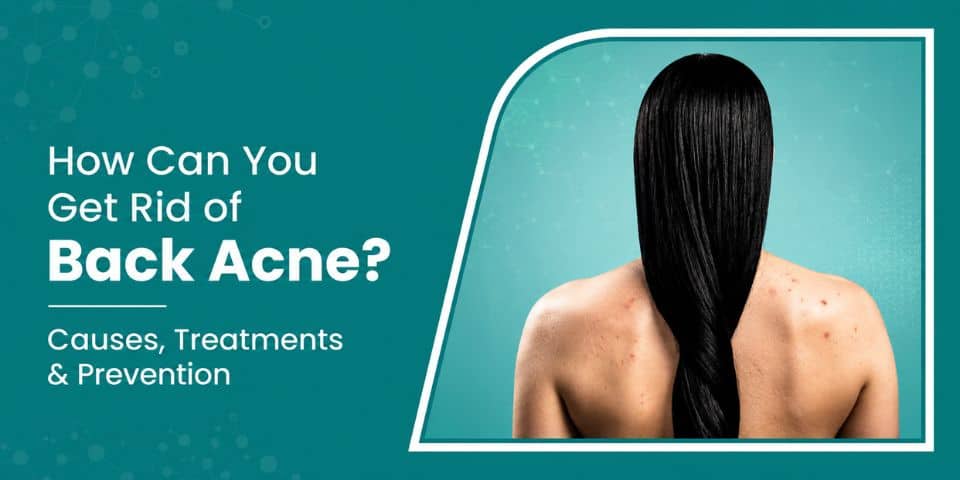
Back acne, often referred to as “bacne”, is a common skin concern that can affect teenagers and adults alike. It develops when excess oil, dead skin cells, and bacteria clog the pores on the back, leading to pimples, blackheads, or even painful cysts. Hormonal changes, excessive sweating, friction from clothing, and certain lifestyle habits can also contribute to breakouts. While back acne can be stubborn due to the thicker skin on the back and larger oil glands, it is a manageable condition.
With the right skincare routine, healthy habits, and professional treatment when needed, clearer skin is achievable. Understanding its causes is the first step towards choosing the most effective treatment.
A] What Causes Back Acne?
Back acne develops when the pores on the back become clogged, leading to breakouts. While it shares many similarities with facial acne, several factors can contribute to its development, including:
- Excess Oil Production: Overactive oil glands produce excess sebum, which can clog pores and create an environment where acne develops.
- Dead Skin Cell Build-up: When dead skin cells are not shed properly, they mix with oil and block the hair follicles.
- Acne-Causing Bacteria: The growth of Cutibacterium acnes (formerly Propionibacterium acnes) inside clogged pores can trigger inflammation and result in red, painful pimples.
- Hormonal Changes: Hormonal fluctuations during puberty, menstruation, pregnancy, or periods of stress can increase oil production and lead to flare-ups.
- Sweat and Friction: Tight clothing, backpacks, and prolonged sweating after exercise may irritate the skin and worsen existing acne.
- Genetics and Lifestyle Factors: Family history, high stress levels, and certain skincare or hair products may also increase the likelihood of developing back acne.
B] How Can You Get Rid of Back Acne?
The most effective treatment for back acne depends on its severity. While mild cases often improve with consistent skincare, moderate to severe acne may require medical treatment under the guidance of a dermatologist.
1. Mild Back Acne
If your breakouts are occasional or mild, a regular skincare routine can help keep them under control.
- Cleanse Daily: Wash your back with a gentle cleanser, especially after sweating, to remove excess oil and impurities.
- Use Acne-Fighting Body Washes: Products containing salicylic acid or benzoyl peroxide help unclog pores, reduce bacteria, and minimise new breakouts.
- Choose Non-Comedogenic Moisturisers: Keeping the skin hydrated is important. Select moisturisers labelled “non-comedogenic” to avoid blocking pores.
2. Moderate to Severe Back Acne
When acne becomes widespread, painful, or persistent, over-the-counter products alone may not be enough.
- Prescription Topical Treatments: Dermatologists may recommend prescription-strength retinoids, benzoyl peroxide combinations, or topical antibiotics based on your skin condition.
- Oral Medications: Depending on the severity, a dermatologist may prescribe oral antibiotics, hormonal treatment (in suitable candidates), or, in severe or resistant cases, isotretinoin, with close monitoring.
3. Dermatological Treatments
Persistent back acne often responds well to professional treatments combined with a personalised skincare routine.
- Chemical Peels: Dermatologist-recommended chemical peels help exfoliate dead skin cells, reduce clogged pores, and improve overall skin texture.
- Laser and Light-Based Treatments: Certain laser and light therapies can reduce acne-causing bacteria, inflammation, and oil production.
- Personalised Treatment Plans: Since every individual’s skin is different, a dermatologist will recommend a customised treatment plan based on the type, severity, and underlying cause of your acne. If breakouts have already led to scarring, personalised acne scar treatment in South Mumbai can help improve skin texture and minimise the appearance of scars over time.
C] What Mistakes Can Make Back Acne Worse?
Even with a good skincare routine, certain habits can make back acne more difficult to manage. Avoiding these common mistakes can improve treatment results and reduce future breakouts.
- Picking or Squeezing Pimples: This increases inflammation and raises the risk of infection, pigmentation, and permanent scarring.
- Using Harsh Scrubs: Aggressive exfoliation can damage the skin barrier and worsen irritation instead of clearing acne.
- Stopping Treatment Too Soon: Acne treatments often take several weeks to show visible improvement. Discontinuing them early may lead to recurring breakouts.
- Staying in Sweaty Clothing: Remaining in damp gym clothes after exercise allows sweat, oil, and bacteria to remain on the skin for longer.
- Ignoring Persistent Acne: If breakouts continue despite using over-the-counter products, delaying professional treatment may increase the likelihood of scarring.
Good skincare habits play an important role in preventing future breakouts. If you’re just beginning your skincare journey, our guide on 11 skincare tips every teen should know shares practical tips for maintaining healthy skin every day.
D] Can Back Acne Leave Scars, and How Are They Treated?
Moderate to severe back acne, particularly deep or inflamed lesions, can leave behind permanent scars if not treated early. Active acne refers to ongoing breakouts, while acne scars are the marks or changes in skin texture that remain after the inflammation has healed.
Early treatment helps control inflammation, reducing the risk of long-term scarring and post-inflammatory pigmentation. Several dermatological treatments can improve the appearance of acne scars, depending on their type and severity:
- Chemical Peels: Help improve skin texture and reduce superficial acne marks.
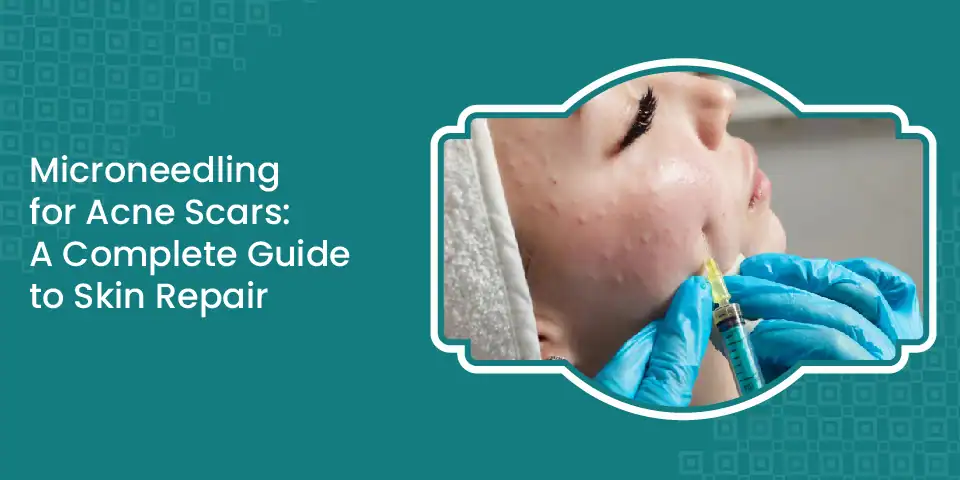
- Microneedling: Stimulates collagen production to improve the appearance of atrophic (depressed) acne scars.
- Laser Treatments: Laser treatments help improve acne scars by resurfacing the skin and stimulating collagen remodelling. You can also discuss the cost of laser treatment for acne scars in Mumbai during your consultation, as it depends on the type of scars and the treatment plan.
- Combination Therapies: Many patients benefit from a combination of treatments tailored to the type of scars, skin type, and overall skin condition for the best possible results.
E] When Should You See a Dermatologist for Back Acne?
While mild acne can often be managed with over-the-counter products, professional care is recommended if you notice any of the following:
- Painful or Cystic Acne: Large, inflamed, or painful lesions usually require prescription treatment.
- Persistent Breakouts: Acne that does not improve despite several weeks of consistent skincare should be professionally assessed.
- Scars or Dark Marks: Early treatment helps minimise permanent scarring and pigmentation.
- Frequent Flare-Ups: Recurrent acne that affects your confidence or daily life may indicate an underlying cause that needs medical attention.
A dermatologist can identify the underlying cause of your acne and recommend a personalised treatment plan suited to your skin type and concerns.
Conclusion
Back acne is a common but treatable skin condition. A consistent skincare routine, healthy lifestyle habits, and timely medical treatment can help control breakouts and reduce the risk of long-term scarring. While mild acne often responds well to over-the-counter products, persistent or severe cases benefit from a personalised treatment plan developed by a dermatologist.
At Skinerva Clinic, your trusted skin specialist in South Mumbai, every treatment plan is tailored to your skin type, concerns, and treatment goals. If you’re struggling with persistent back acne or acne scars, contact us and let our experts help you achieve clearer, healthier skin with confidence.