The Pico Laser Treatment for Skin Rejuvenation
January 24, 2025
Understanding Different Skin Types & Their Needs
March 10, 2025
Dealing with acne is difficult, but dealing with acne scars afterwards can seem endless. The good part? You do not have to settle for scars that refuse to fade. With the right approach, you can reduce their appearance and get clearer and smoother skin. No matter what type of acne scars you are facing, there are proven treatments designed to help you regain your skin’s natural beauty. In this blog, we will discuss the most effective acne scar treatments that can give your skin a new start.
A] Understanding Acne Scars
Acne scars form when breakouts damage the deeper skin layer after an acne flare-up, leaving marks that can feel frustrating. This happens when inflammation, bacteria and excess oil combine to worsen the acne, causing the skin to struggle during healing. While everyone experiences breakouts, not everyone scars the same way. Genetics, skin type and the severity of acne play an essential role. Even habits like picking or squeezing pimples can increase the chance of scarring. By understanding how these scars develop, you can take steps towards preventing acne scars and finding the right solution for your skin.
B] Types of Acne Scars
1. Atrophic Scars
Atrophic scars are the most common on the face. They are formed when there isn’t enough collagen while the wound is healing. There are three types of atrophic scars:
- Boxcar: These are wide, U-shaped scars that have sharp edges.
- Ice Pick: This acne scar type has narrow, V-shaped scars that can go deep into the skin. They look like chickenpox scars and are the most difficult scars to treat.
- Rolling: These are wide scars that typically have rounded edges and an irregular rolling appearance.
2. Hypertrophic Scars
These scars are most common in the chest and back and are caused by the overproduction of collagen during healing, causing a raised scar.
3. Keloid Scars
Keloid scars are similar to hypertrophic scars but tend to be thicker than the original acne spot. There may be hyperpigmentation around the surrounding skin. These types of acne scars can be itchy and painful.
C] Causes of Acne Scars
- Severe Acne: Cystic and nodular acne affects deeper skin layers, leaving severe acne scars that are harder to treat.
- Picking or Popping Pimples: It might be tempting to squeeze a pimple, but it only causes more damage to the skin through inflammation, infection, and worsening scarring.
- Delayed Treatment: Untreated or poorly managed acne can cause more severe breakouts with deeper scars that become very difficult to heal with time.
- Skin Type: People with darker skin tones are more prone to pigmentation, where scars may appear darker than the surrounding skin. An individual with sensitive skin may experience more noticeable scarring due to severe inflammation.
- Heredity: Genetics will play a significant part in how your skin heals. Genetic predisposition to more intense scarring occurs in some people than others, regardless of how they take care of their skin.
Related Blogs
- how do chemical peels work
- Benefits of Pico Laser Treatment
- what are iv drips for skin
- Anti aging benefits
- Uses of Microneedling
- how does cryolipolysis work
- Advantages of a Thread Lift
D] Acne Scars Treatment Options
Many medical treatments help with acne scar reduction. A dermatologist can recommend suitable procedures or a combination of therapies depending on your skin type and the extent of the scarring. They are as follows
-
Chemical Peels
Chemical peel treatment can help with acne scars by removing the top layer of the skin and stimulating the growth of new cells. chemical peels exist, including glycolic, salicylic, lactic, mandelic, and phytic acid peels. Studies show promising results; for example, 60% of people using trichloroacetic acid (TCA) peels experienced at least a 70% improvement in their acne scarring. However, finding the right peel may require trying different types to see what works best for individual skin.
-
Corticosteroids
Injections of corticosteroids may help soften and flatten raised acne scars if you have hypertrophic or keloid scars. It helps by reducing inflammation and breaking down collagen fibres, which can help flatten the scar and reduce the amount of scar tissue. The treatment consists of a series of injections administered by your dermatologist, who monitors the results and helps you achieve your desired skin.
-
Microneedling
Microneedling is inserting tiny needles into the skin surrounding the scar to stimulate the body to make more collagen. This collagen may reduce the appearance of atrophic acne scars by smoothening the skin. Microneedling improves 31 to 62% in the appearance of atrophic or indented acne scars. It was also found that microneedling combined with collagen gel was significantly more effective for acne scar treatment.
-
Dermal Fillers
Sometimes dermatologists may recommend soft tissue fillers for treatment of acne scars. They are helpful for rolling and boxcar scars because they add volume to the indented areas of the skin, making scars less visible. The needle’s skin penetration triggers the skin’s healing response to produce more collagen, improving the skin texture and reducing scarring.
-
Laser Treatment
Laser treatment resurfaces the skin without the use of chemicals or scrubs. It removes the uppermost layer of the skin to reveal the new skin cells underneath, which can help reduce the appearance of the scarring. It is one of the best acne scar treatments, and it helps reduce the appearance and texture of raised scars. Treating with a pulsed dye laser can also help reduce the colour of hyperpigmented scars.
E] How To Prevent Acne Scars
- Proper Management of Acne: Effective management is the key to preventing acne scars. Treating acne scars early helps reduce the chances of developing deeper scars and minimises long-term damage.
- Avoid Picking or Squeezing Pimples: Picking or squeezing pimples can aggravate acne, increasing the risk of developing scars significantly. Instead of focusing on how to get rid of acne scarring quickly, allow your acne to heal naturally to avoid worsening the issue
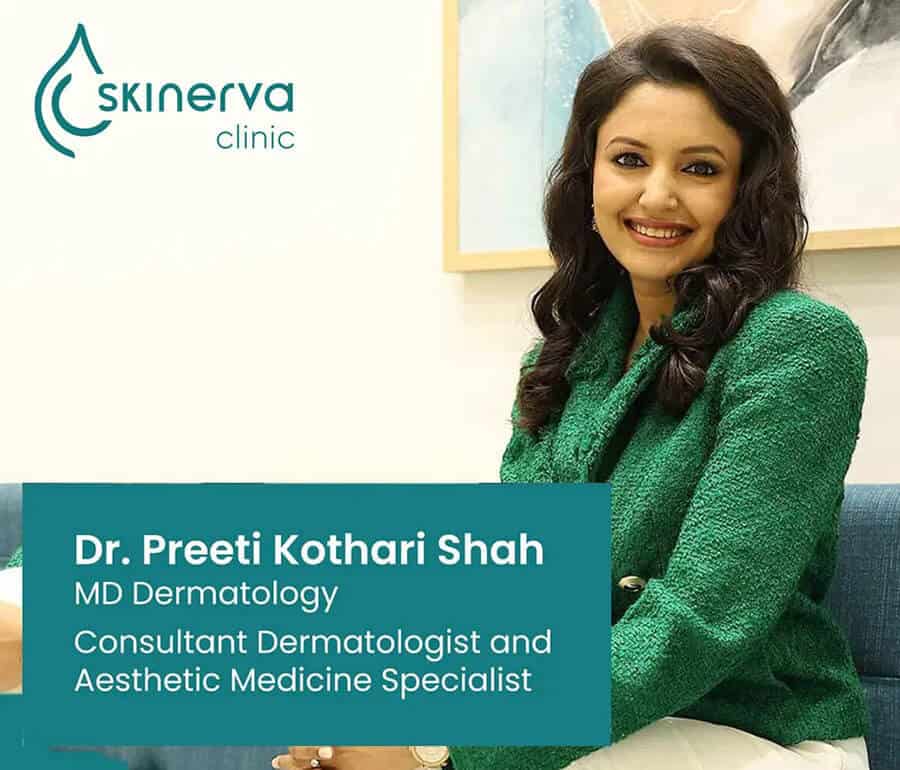
Say goodbye to stubborn scars—book a consultation with Dr. Preeti Kothari Shah, the go-to skin specialist in South Mumbai for acne scar reduction.
F] When to See a Dermatologist?
If you’re struggling with stubborn acne scars, it might be time to seek professional help. Deep, pitted acne scars and those that don’t seem to improve after using over-the-counter products are some indicators to consider before seeking a professional opinion.
A dermatologist will assess the type of acne scars and advise you on the ideal acne scar treatment for your skin needs. Whether you need simple acne scar reduction or advanced treatments like microneedling or laser therapy, a dermatologist will offer personalised treatment plans to help reduce the acne scars. At Skinerva, we offer various acne scar treatments that are suitable for the skin. Let us help you achieve smoother, clearer skin with the best treatment for acne scars. Book your consultation today and take the first step toward acne scar removal!