Unlocking The Secret Of Youthful Skin: Expert Tips
April 28, 2024
Chemical Peel Treatment: Procedure, Risk and More
October 11, 2024
Ever noticed those darker patches or spots that seem to appear out of nowhere? That’s hyperpigmentation, and it’s a common skin concern affecting people of all skin types. It is also one of the most commonly requested treatments in dermatology offices. While the condition is not harmful, uneven skin tone and discolouration can cause severe loss of confidence in some patients.
Hyperpigmentation can be of various types and can be caused by different factors. In this blog, we will explore these types and causes of hyperpigmentation and also provide valuable information about hyperpigmentation treatments.
A] What Is Hyperpigmentation?
Hyperpigmentation is a skin-darkening disorder that creates spots or patches of pigmentation on skin that are darker than the natural skin tone. These dark patches are often seen in places most exposed to the sun, like the chest, neck, face, arms, hands, and shins. However, they can also occur anywhere on the body.
The colour of these skin pigmentations depends on the person’s natural skin. These can cause them to appear brown, tan, pink, grey, black, or purple. Hyperpigmentation occurs when the skin produces excess melanin and is more longstanding than normal sun tan. It is to be noted that these patches and spots occur in darker skin tones more often than in lighter skin tones.
B] Types Of Hyperpigmentation
- Age spots: Age spots, also known as liver spots or sun spots, often occur when the skin is overexposed to the sun. This often occurs in older folks who are prone to sunburns and are seen on the face, hands, palms, and neck. They are mostly brown in colour, although they can be black as well.
- Freckles: They are also known as ephelides and look like small tan or brown spots. Unlike age spots, freckles develop in childhood due to overexposure to the sun. Freckles can get darker and more pigmented as you spend more time in the sun. However, they began to fade in winter or cold climates.
- Maturational hyperpigmentation: This condition causes the sides of the skin to keep darkening gradually. This is a common problem with people with darker skin complexions. Maturational hyperpigmentation begins to manifest in adulthood and keeps getting darker. It can occur due to two reasons exposure to sun or metabolic syndrome.
- Melasma: This condition is also called chloasma or “the mask of pregnancy” and often occurs in females in their 20s and 30s. This is recognised by large patches of darkened skin on the forehead, face, and stomach in young adult women. Melasma is generally associated with the hormones estrogen and progesterone and is especially seen in women who are pregnant or taking birth control pills.
- Periorbital hyperpigmentation: Periorbital/periocular hyperpigmentation (POH), also known as dark circles are dark spots that occur under the eye. This condition can be caused by a number of reasons, including sleep deprivation, frequent cosmetic use, constant rubbing of eyes, and unresolved refraction errors like myopia.
- Acanthosis nigricans: This is a skin condition that causes the skin to darken in body folds and creases. This causes skin areas that often rub together to become darker, like armpits, groin, and back of the neck. Acanthosis nigricans is often seen as a symptom of insulin resistance or type 2 diabetes; however, professional opinion is necessary before concluding anything.
- Post-inflammatory hyperpigmentation: Skin inflammation or injury, such as burns, wounds, acne, or skin rashes, can often leave a darker spot once healed. This is called post-inflammatory hyperpigmentation and can generally occur anywhere in the body. You will find quality laser treatment for acne scars in South Mumbai.
C] Common Causes of Hyperpigmentation
- The most common cause of hyperpigmentation is exposure to the sun. Dark spots caused by the sun are called age spots or sun spots.
- Inflamed skin can also trigger excess melanin production. Once these inflammatory cells heal, they leave behind dark spots and patches. The skin inflammation can be triggered by acne, eczema, lupus, or an injury to the skin.
- Hyperpigmentation in women can also be caused by changes in female hormones. Melasma often occurs in pregnant women or women taking birth control pills due to the constant imbalance of hormones.
- Hyperpigmentation can also be a symptom of diseases like diabetes and thyroid disease.
- Exposure to heavy metals, such as iron, arsenic, gold, iron, and lead, can be a potential cause as well.
Related Blogs
- Chemical Peel Treatment
- PRP Treatment for Skin
- Pico Laser Treatment
- Acne Scar Treatment
- Anti-Ageing Treatment
- Microneedling Treatment
- Cryolipolysis Treatment
D] Skin Hyperpigmentation Treatment
1. Home Remedies
- Aloe vera: Studies have shown that applying aloe skin, which is an active compound in aloe vera plants, can help reduce sun spots. Rub the gel-like extract on the affected spots to see the difference.
- Liquorice: Licorice extract can help to reduce sun spots and other disorders like melasma. You can find several OTC creams with liquorice extracts.
- Green tea: Green tea is often shown to have depigmentation effects. Applying green tea bags and drinking green tea can help reduce spots.
- Milk and ButterMilk: The high lactic acid content in milk and buttermilk helps to lighten the skin tone.
- Honey: Honey is widely used in a variety of skincare products. It is full of antioxidants which promotes healthy cell growth. You can add honey to your diet or even add it to your face masks.
- Lemon Juice: Lemon juice is rich in antioxidants, vitamin C, and citric acid. These ingredients help to lighten the skin tone, remove tan, and promote healthy skin cells. However, if you have dry skin, you should generally avoid applying lemon juice.
2. Professional Treatment
- Laser resurfacing: In this procedure, a wand is used to project beams of light that remove the affected skin and let the new skin grow in its place.
- Intense pulse light (IPL): IPL heats and destroys the melanin from the surface of the skin, allowing new skin to take its place. It is a painless procedure and takes somewhere between 20 to 30 minutes.
- Cryotherapy: Cryotherapy uses liquid nitrogen to freeze the affected skin cells and remove them. It is a simple procedure that takes a few minutes.
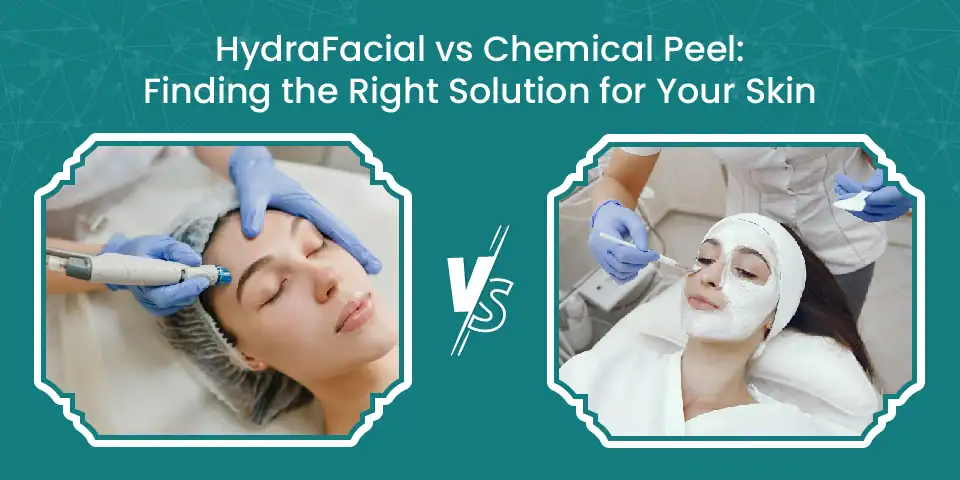
- Chemical peels: Chemical peels are a cosmetic procedure used to remove the surface layer of your skin. The acids used in the procedure create a controlled wound which once healed, removes dead skin and excess melanin. At our clinic, we provide pain-free and time-efficient chemical peel treatment in South Mumbai.
- Microdermabrasion: The microdermabrasion procedure removes the outer layer of the skin using an abrasive tip. It takes approximately one hour to complete the procedure and you will feel little to no pain.
Say goodbye to dark spots—consult Dr. Preeti Kothari Shah, the leading skin specialist in South Mumbai, for expert hyperpigmentation treatment.
Conclusion
Hyperpigmentation is a common skin condition that is generally harmless. However, it can create self-consciousness among affected patients. Hyperpigmentation can be caused by exposure to sun, excess melanin in the skin, hormonal changes, and more.
At Skinerva Clinic in South Mumbai, you will find quality skin treatment for any form of hyperpigmentation. Contact our team today for an accurate diagnosis and personalised treatment.