Ultherapy or HIFU: Which Treatment Is Right for You?
July 18, 2026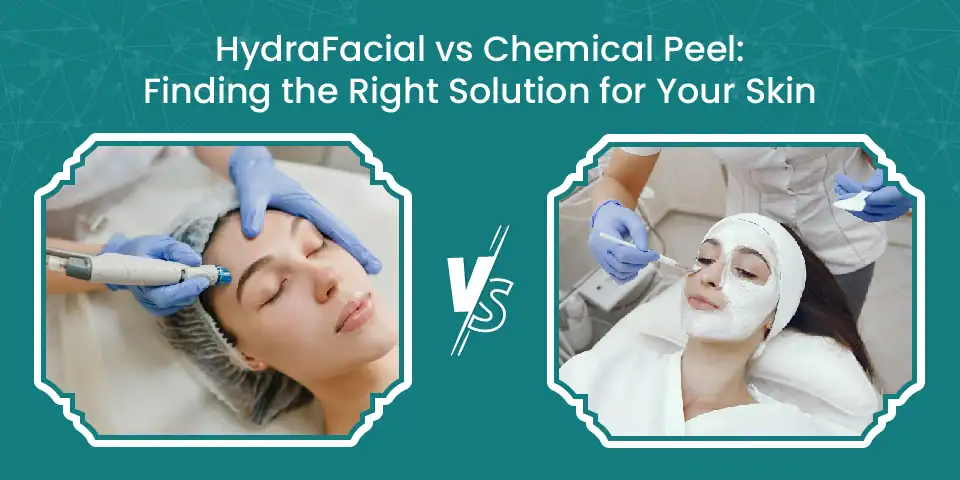
HydraFacial and chemical peels are two widely used dermatologist-performed treatments designed to improve overall skin health and appearance. Both focus on skin rejuvenation, but they work in very different ways and are suited to different concerns. While HydraFacial focuses on deep cleansing, hydration, and provides a refreshed appearance, chemical peels work by controlled exfoliation to renew the skin over time.
Understanding how each treatment works is important before making a choice, as the right option depends on your skin type, concerns, and expected results. This guide helps you compare both treatments clearly so you can make an informed decision.
A] What Is a HydraFacial and How Does It Work?
HydraFacial is a non-invasive skin treatment that deeply cleanses, exfoliates, extracts impurities, and hydrates the skin using advanced vortex technology. It is designed to improve skin texture and provide a revitalised look instantly. The treatment follows a simple three-step process:
- Cleansing and exfoliation: Removes dead skin cells and surface buildup.
- Extraction of impurities: Painless suction removes dirt, oil, and clogged debris.
- Hydration with nourishing serums: Skin is infused with antioxidants and hydrating serums.
Benefits include improved skin clarity, deep hydration, and an immediate renewed appearance with minimal downtime. It is suitable for most skin types, including sensitive skin. Many people prefer it as a regular skin maintenance treatment or pre-event skin boost.
B] What Is a Chemical Peel and How Does It Work?
A chemical peel is a skin-resurfacing treatment that uses controlled chemical solutions to exfoliate damaged outer skin layers. This process encourages new, healthier skin to regenerate, improving texture over time. Types of chemical peels include:
- Superficial peels: Mild exfoliation to support smoother texture and refreshed-looking skin.
- Medium peels: Targets pigmentation, acne marks, and uneven texture.
- Deep peels: Intensive treatment for advanced signs of ageing and scarring.
Benefits include improved pigmentation, reduced acne marks, smoother texture, and refined skin appearance. Recovery varies depending on peel strength, ranging from mild flaking to a few days of visible peeling. Downtime and results should always be discussed with a dermatologist. If you are considering a chemical peel treatment, a professional skin assessment can help determine the most suitable peel type for your concerns.
C] HydraFacial vs Chemical Peel: What Are the Key Differences?
| Factor | HydraFacial | Chemical Peel |
| Treatment Method | Cleanses, exfoliates, extracts, and hydrates the skin. | Uses acids to exfoliate and renew the skin. |
| Best For | Dullness, dehydration, mild congestion, uneven tone. | Pigmentation, acne marks, fine lines, rough texture. |
| Downtime | Little to none. | Varies from minimal to several days, depending on peel depth. |
| Comfort Level | Gentle and comfortable. | Mild tingling or stinging may occur. |
| Frequency | Typically every 4–6 weeks. | Based on peel type and skin concern. |
| Results Timeline | Immediate skin revitalisation and hydration | Gradual improvement over days to weeks. |
| Suitable Skin Types | Most skin types, including sensitive skin. | Many skin types, with dermatologist-guided selection. |
Neither treatment is universally better, as both work differently on the skin. The ideal choice depends on individual skin goals, concerns, and tolerance for downtime. A dermatologist can help identify which treatment is more suitable based on your specific skin type and desired results.
D] Which Skin Concerns Are Best Treated With a Hydrafacial?
HydraFacial is ideal for people looking for quick skin refreshment and hydration without irritation or downtime. It works best for:
- Dull and dehydrated skin: Helps restore natural moisture balance, leaving the skin looking fresher and more revitalised.
- Mild congestion: Gently helps clear clogged pores and removes buildup without irritating or over-stripping the skin barrier.
- Uneven skin tone: Works to improve overall evenness and creates a more balanced, refreshed skin appearance over time.
- Pre-event skin boost: Provides an instant healthy finish, making the skin look smooth, hydrated, and camera-ready.
- Sensitive skin types: Offers a gentle yet effective treatment option for patients with sensitive skin.
It is often chosen as a maintenance treatment to keep skin clean, hydrated, and refreshed regularly, especially for those who prefer non-invasive skincare solutions.
E] When Is a Chemical Peel the Better Option?
Chemical peels are more suitable when deeper skin concerns need targeted correction. They are commonly recommended for:
- Hyperpigmentation: Helps reduce dark patches and uneven tone
- Acne and post-acne marks: Improves visible blemishes over time
- Fine lines: Supports early signs of ageing, which can accelerate when decreased barrier immunity increases susceptibility to damage.
- Sun damage: Repairs damaged skin layers
- Rough texture: Smoothens uneven skin surface
The strength and type of peel should always be selected by a qualified dermatologist to ensure safety and effectiveness. Results improve gradually, making consistency and proper aftercare important for best outcomes.
Since treatment strength and the number of sessions vary from person to person, the chemical peel treatment cost in Mumbai can differ depending on the type of peel recommended and the concerns being treated.
F] How Do You Choose Between a HydraFacial and a Chemical Peel?
Choosing between a HydraFacial and a chemical peel depends on multiple personal factors. These include your skin type, current concerns, desired results, and tolerance for downtime. If you want instant freshness and hydration with no recovery time, HydraFacial may be suitable. If your focus is pigmentation, acne marks, or texture correction, a chemical peel may be more effective.
Other considerations include treatment frequency and long-term skin goals. Since every skin is different, a dermatologist consultation is essential to decide the safest and most effective option tailored to your needs.
If you are exploring multiple skin rejuvenation options, our laser treatment vs chemical peel: comparison guide can help you understand how these treatments differ and when each may be recommended.
Conclusion
Both HydraFacial and chemical peels are effective dermatologist-performed treatments that enhance skin health and appearance in different ways. HydraFacial focuses on instant hydration, while chemical peels target deeper skin concerns with gradual but lasting results. Neither is better than the other; the right choice depends entirely on your skin condition, sensitivity, and goals.
A professional evaluation ensures safe treatment selection and better outcomes. If you are unsure which treatment best suits your skin, get in touch with Skinerva Clinic, a skin specialist in South Mumbai, for personalised guidance and skincare solutions designed around your unique needs.