Laser Hair Removal for Sensitive Skin: Is It Safe?
December 23, 2025
Laser Hair Removal Or Electrolysis: Complete Guide
January 20, 2026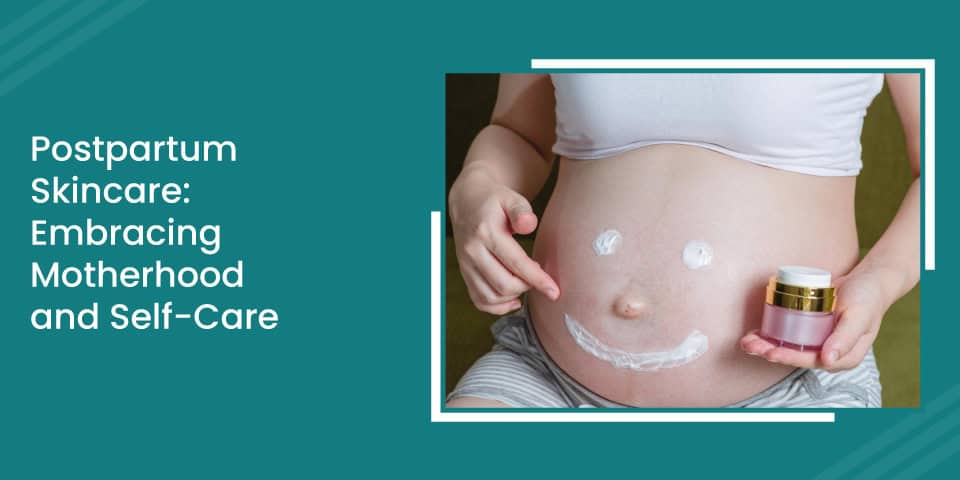
Motherhood is a highly rewarding experience in life, and it is also a time that causes immense physical and emotional transformation. Changes during pregnancy and postpartum care include changes in the skin of the body, which may change its texture, tone, and even health. Changes in hormones, sleep deprivation, and stress will manifest themselves in the form of dryness, acne, or pigmentation.
That is why postpartum skin care is not only a matter of skin but also about healing, feeling confident, and loving yourself.
In this guide, learn about common postpartum skin concerns and practical self-care tips during recovery.
A] Understanding Postpartum Skin Changes
Once you have given birth, estrogen and progesterone levels suddenly drop in your body. These hormonal changes may lead to changes in the oil levels, hydration, and pigmentation. This is normal, and new mothers get to observe breakouts, dryness, or even uneven colour.
Your skin may seem dull or fatigued due to stress, insomnia, and dehydration. Remember, this is temporary. Your skin needs to regain balance as your hormones stabilise. Helping it with post-pregnancy skin care by hydrating it, washing it softly, and feeding it properly speeds up the recovery process. The most important thing is to be patient; the postpartum changes cannot occur instantly.
B] Common Postpartum Skin Problems
A lot of mothers report visible changes in their skin after childbirth. Such postpartum skin issues are absolutely natural, and they are normally temporary.
Here are some of the most common skin problems after pregnancy:
- Melasma: Melasma is also known as the mask of pregnancy, and thus, it results in dark spots as a result of hormonal imbalance.
- Acne: Stress, oil imbalance, and hormonal changes may cause breakouts out particularly around the jawline.
- Dryness and sensitivity: Estrogen decrease may result in dull and flaky skin, whereas breastfeeding can result in dehydration.
- Stretch marks: These originate on the belly, breasts, and thighs when the skin stretches during pregnancy and shrinks after pregnancy.
- Hair fall: Peaks three to six months after childbirth because of hormonal readjustment.
These after-delivery skin problems may look worrying, but they are manageable with consistent care, balanced nutrition, and gentle skincare.
C] Safe Skincare Ingredients for New Moms
Safety and simplicity are the most important factors when taking care of your skin during postpartum recovery. Strong contents may irritate or even interfere with breastfeeding. Select fragrance-free and hypoallergenic dermatologist-tested products.
Safe and effective ingredients include:
- Hyaluronic acid: Restores hydration and improves elasticity.
- Vitamin C: Helps with how to remove pigmentation after delivery and brightens dull skin.
- Niacinamide: Reduces redness and strengthens the skin barrier.
- Ceramides: Repair dryness and improve moisture retention.
- Aloe vera and shea butter: Soothe irritation and nourish deeply.
Avoid strong retinol, high-strength salicylic acid, and hydroquinone during breastfeeding, as these may not be safe.
For stubborn pigmentation or texture concerns, consult a qualified dermatologist in South Mumbai.
D] Building a Simple Postpartum Skincare Routine
Being a new mother, you do not require a complex skincare routine. Even a little bit of time spent daily can help with after-delivery skin problems. Keep it simple and consistent.
Morning Routine:
- Cleanse: Use a mild, sulphate-free face wash.
- Hydrate: Apply a serum with hyaluronic acid or vitamin C.
- Moisturise: Choose a fragrance-free cream or lotion.
- Protect: Finish with a broad-spectrum sunscreen (SPF 30+).
Night Routine:
- Cleanse: Remove dirt and impurities.
- Nourish: Apply a light face oil or repairing night cream.
- Rest: Quality sleep supports skin renewal and hormone balance
Drink plenty of water and eat fruits, nuts, and whole grains to support your skincare post-pregnancy from within.
E] The Role of Self-Care in Postpartum Skincare
Sincare for breastfeeding moms isn’t about vanity; it’s part of emotional and physical healing. The transition into motherhood can be overwhelming, but small acts of self-care can bring balance and calm.
Even five minutes spent caring for your skin can help you reconnect with your body. Gentle massage, deep breathing, or applying your moisturiser mindfully can reduce stress and improve circulation. These moments remind you that self-care is not selfish; it’s restorative.
Try to include small rituals that make you feel good. Lighting a candle, playing soft music, or journaling before bed can complement your skincare efforts. These habits nourish both your skin and your mind, helping you embrace motherhood with confidence and grace.
F] When to Consult a Dermatologist
If you’re struggling with postpartum skin care concerns that don’t improve after a few months, it may be time to seek professional advice. Persistent acne, pigmentation, or eczema may require tailored medical treatments.
Dermatologists can recommend safe, postpartum-friendly options, including gentle chemical peel treatment in South Mumbai or targeted pico laser treatment in South Mumbai sessions once you’re medically cleared. These treatments can reduce pigmentation, acne scars, and uneven tone without harming breastfeeding safety.
Hormonal balance often takes several months to stabilise after childbirth. During this time, patience and consistency are key. If you’re ever unsure about a product or treatment, consulting a specialist ensures your skin heals safely and effectively, minimising long-term damage or irritation.
G] Beyond Skincare: Lifestyle Tips for Healthy Postpartum Skin
Healthy skin starts from within. Alongside your postpartum skincare routine, simple lifestyle changes can have a big impact:
- Hydrate: Aim for 8–10 glasses of water a day.
- Sleep whenever possible: Even short naps help your skin recover.
- Eat balanced meals: Include leafy greens, citrus fruits, and nuts for essential vitamins and antioxidants.
- Exercise lightly: Postnatal yoga or walks improve blood flow and reduce stress.
- Avoid smoking and limit caffeine: Both can dehydrate your skin.
If hair removal becomes part of your self-care routine, consider safe options such as laser hair removal treatment in South Mumbai.
Conclusion
Skincare after delivery is more than regaining the radiance; it is taking care of the individual you have become. It is a story of power, passion, and change as portrayed by your skin. With the selection of mild products, adherence to a conscious plan, and consulting a specialist when it is necessary, you will be able to regain the balance along with your self-esteem.